
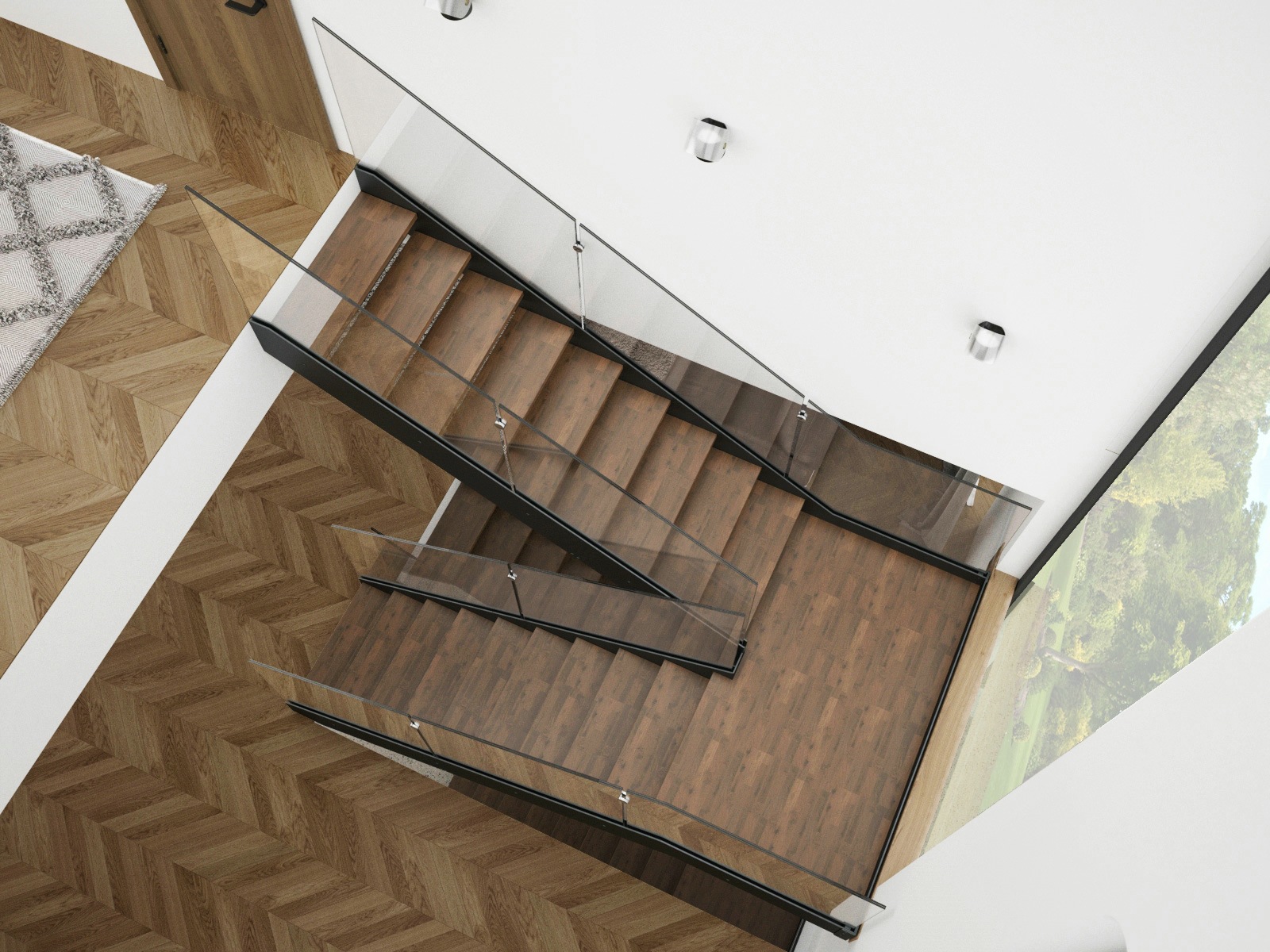
Indoor staircases are more than simply a way to connect two levels. They are a key element of interior design, a strong architectural feature and often one of the most visible elements of an open-plan space.
A well-designed indoor staircase improves everyday comfort, enhances the style of your home and can increase the property's overall appeal and value.
At Lux Art, we answer the most frequently asked questions about custom-made indoor staircases, showing how premium materials, modern manufacturing techniques and personalised design can create a staircase that is spectacular, safe and built to last.
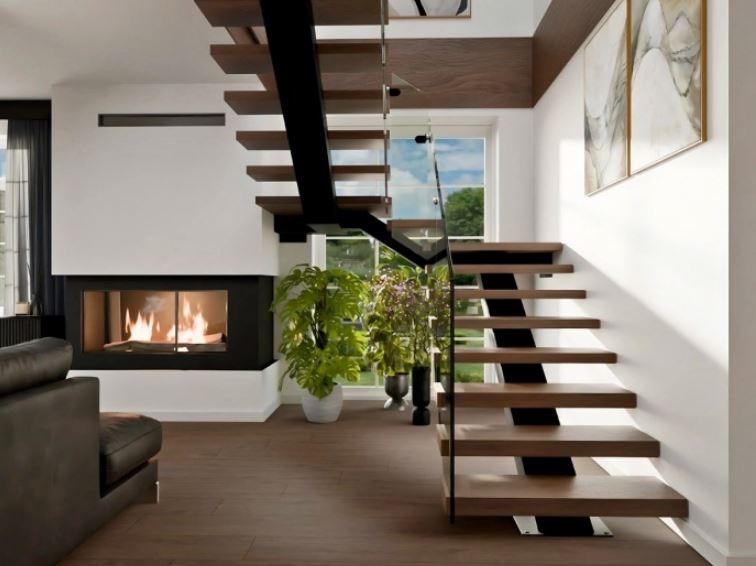
The price of an indoor staircase depends on many factors, as every Lux Art staircase is custom-made.
The main elements that influence the cost include:
Basic wood-and-metal indoor staircases start from several thousand euros, while premium designer indoor staircases — including self-supporting models such as Revo or Maestro — offer more advanced details such as glass balustrades, decorative elements and high-end finishes.
In the long term, investing in a premium staircase can provide excellent value through its durability, safety, comfort and aesthetic appeal.
The choice of materials is essential for the appearance, feel and durability of your indoor staircase. Lux Art combines premium materials to create customised solutions.
Wood brings warmth, elegance and timeless appeal. We use species such as oak, beech and ash, as well as premium options such as American walnut.
The steps can be oiled, varnished or stained to coordinate the wooden indoor staircase with your flooring, doors and furniture.
Wooden indoor staircases are particularly well suited to modern, Scandinavian, classic and minimalist interiors.
Steel provides a clean architectural appearance and allows for modern designs such as floating staircases and open-riser staircases.
Steel components can be matte-finished or powder-coated in a wide range of colours, making them ideal for loft-style and industrial interiors.
Tempered glass is most commonly used for glass balustrades and, in certain designs, for staircase steps. It creates a light, open appearance and can make an interior feel more spacious.
Available options include standard clear glass, tinted glass and Optiwhite glass for maximum transparency — an excellent choice for a bright, contemporary indoor staircase.
The typical lead time for a custom-made indoor staircase is approximately 10 weeks, depending on the model and complexity of the project.
The process includes:
Lux Art focuses on millimetre-precise measurements, carefully engineered wood-and-steel connections and high-quality finishes to create an indoor staircase that is stable, safe and perfectly integrated into the interior.
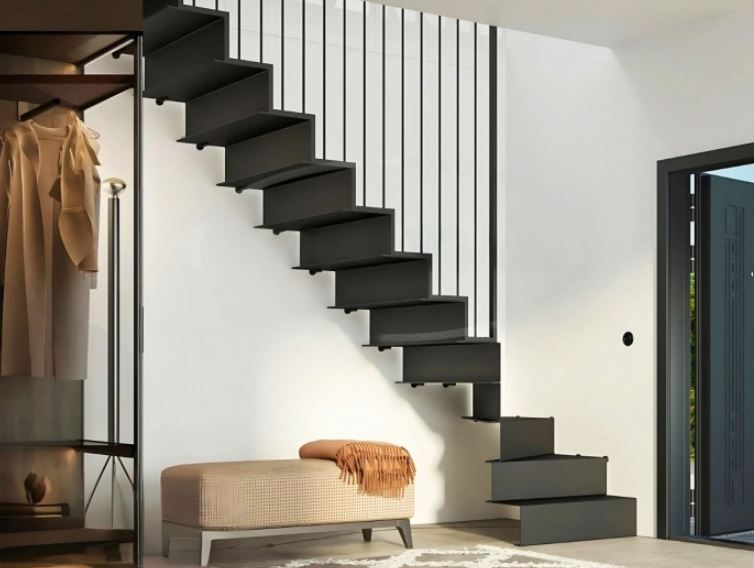
Yes — every Lux Art indoor staircase is fully customised and designed to fit your space precisely.
We take into account:
You can choose the staircase configuration — straight, quarter-turn, half-turn or helical — as well as the materials, including wood, steel and glass, and the style of the balustrade, such as a glass balustrade, steel railing or wooden handrail.
Many clients also optimise the space beneath the staircase for storage, shelving, a small library or decorative features. Integrated LED staircase lighting can further enhance safety while highlighting the contemporary design.
Yes. Lux Art provides photorealistic indoor staircase visualisations, allowing you to see your staircase design in your home before production begins.
The visualisation includes:
A premium visualisation can also compare several finish options, helping you select the combination that best matches your interior style.
Yes. Lux Art indoor staircases are installed according to strict quality and safety standards by certified and experienced Lux Art partners.
This ensures: